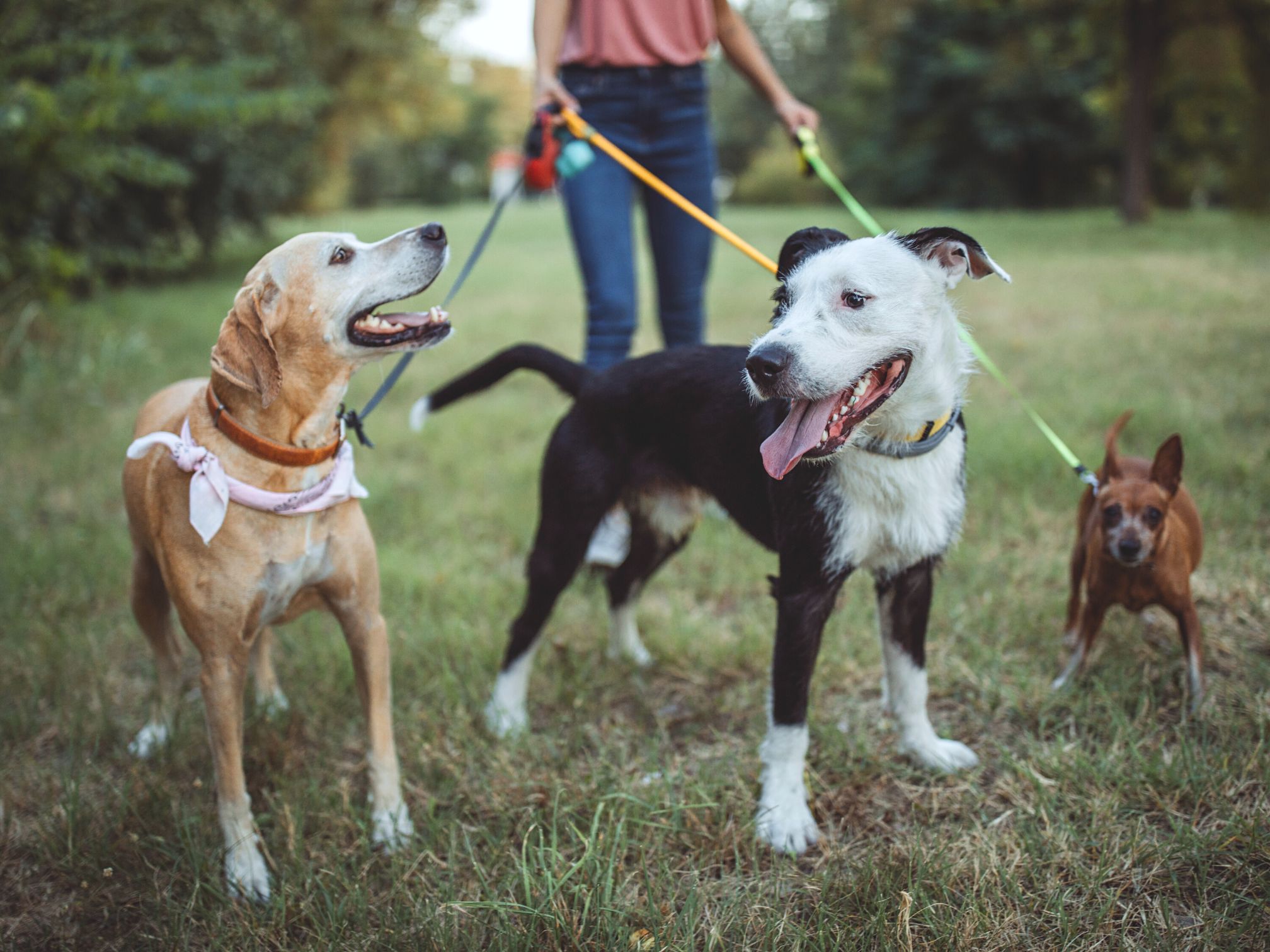
How to Start a Dog-Walking Business
*This is a collaborative post.
Are you a dog lover considering starting a dog-walking business of your own? With the right approach, you could be on your way to becoming the local’s favourite dog walker in the pet care industry.
Here are some useful tips and advice to get you started.
What Do I Need To Start A Dog Walking Business?
Do Your Research
Before you get started, it’s essential to familiarise yourself with the local pet care market in the UK. Research the demand for dog-walking services in your area and scope out the competition. Understanding your target market and identifying areas of opportunity will give you a headstart.
Branding
Get your logo and branding designed at the earliest possible stage. This is going to take the most time and you want to get it right! You can design your own or hire a third party to come up with something eye-catching.
Consistency is key across all branding materials, from cute business cards to an engaging online presence, ensuring that every interaction feels like a warm hug for both dogs and their owners! By infusing your branding with the same love and care you give to your furry clients, the more trusted you will be.
Register Your Business
One of the most important things of all when starting a dog walking business, or any business for that matter, is to register with HMRC. Don’t put this off, get your business registered as soon as possible.
There is a plethora of information on the Gov’ website to help guide you.
What Insurance Do You Need?
For your dog walking business, it’s essential to have the appropriate insurance coverage to protect yourself, your clients, and their beloved pets. The primary insurance you’ll need is Public Liability Insurance. This coverage protects you in case a dog you’re walking causes injury to a person or damage to property. It can cover legal fees and compensation costs if you’re found liable for an incident. Additionally, you may want to consider Employers’ Liability Insurance if you hire staff to assist you in your business. This insurance is a legal requirement in the UK if you have employees, and it covers potential claims from employees who suffer injuries or illnesses while working for you. Depending on the specifics of your business, you might also want to explore additional coverages such as Care, Custody, and Control Insurance, which can protect you in case a dog in your care is injured, goes missing, or causes harm to another animal. It’s important to thoroughly research and speak with insurance providers to ensure you have comprehensive coverage tailored to your specific needs as a dog walker.
What Can I Earn As A Dog Walker?
The earnings from a dog walking business can vary significantly depending on various factors such as location, number of clients, services offered, pricing structure, and operating expenses. On average, a solo dog walker in the UK might charge between £10 to £20 per hour per dog, with rates potentially higher for additional services like pet sitting or group walks.
For example, if you charge £15 per hour and walk five dogs for one hour each day, five days a week, you could potentially earn £375 per week. However, it’s important to consider that this is a simplified calculation and doesn’t account for additional expenses such as insurance, transportation costs, marketing, equipment, and taxes.
Dog Walking Services
Wondering what services you can offer to your clients? Here are just a few –
- Dog Walking: This is the core service of your business. Offer individual or group walks tailored to the needs and preferences of the dogs and their owners. Walks can vary in duration and intensity based on the dog’s energy level and exercise requirements.
- Pet Sitting: Provide in-home pet-sitting services for clients who need someone to look after their dogs while they’re away. This can include feeding, playtime, administering medication, and overnight stays.
- Doggy Daycare: Offer daycare services for dogs whose owners are at work or have other commitments. Dogs can enjoy socialisation, exercise, and supervision in a safe and stimulating environment.
- Puppy Visits: Provide short visits to check on and care for puppies while their owners are at work or away from home. Services may include feeding, playtime, potty breaks, and basic training reinforcement.
- Pet Taxi: Offer transportation services to take dogs to vet appointments, grooming appointments, or other destinations as needed.
- Basic Training: Provide basic obedience training during walks or as standalone sessions to help dogs develop good manners and behaviors.
- Additional Services: Consider offering additional services such as grooming, pet photography, or selling pet products to diversify your business and meet the varied needs of your clients.
Good luck with your new doggy venture!